When Sheila first picked up a camera to capture more than food, she had no idea it would one day lead to national media attention, a published cookbook, and a thriving brand. Her journey began with a simple passion for sustainable plant-forward food and storytelling — plus a decision to invest in her craft by joining my Food Photography Mentor Program. Today, Sheila inspires thousands to eat more plants, showing how curiosity and understanding taste can result in fabulous plant-based dinners. Combined with great food photography, it can be powerful when paired with vision, hard work, and the right mentorship.
Sheila started cooking in her home kitchen early and continued working as a chef during her university years. After finishing her degree in Business and Management (Erasmus Rotterdam), she worked for years with corporate businesses and entrepreneurs. Early on, her passion for making the world a little better and more sustainable led her to work with young entrepreneurs who wanted to bring sustainable products to the market.
“Don’t throw away the Taste!”
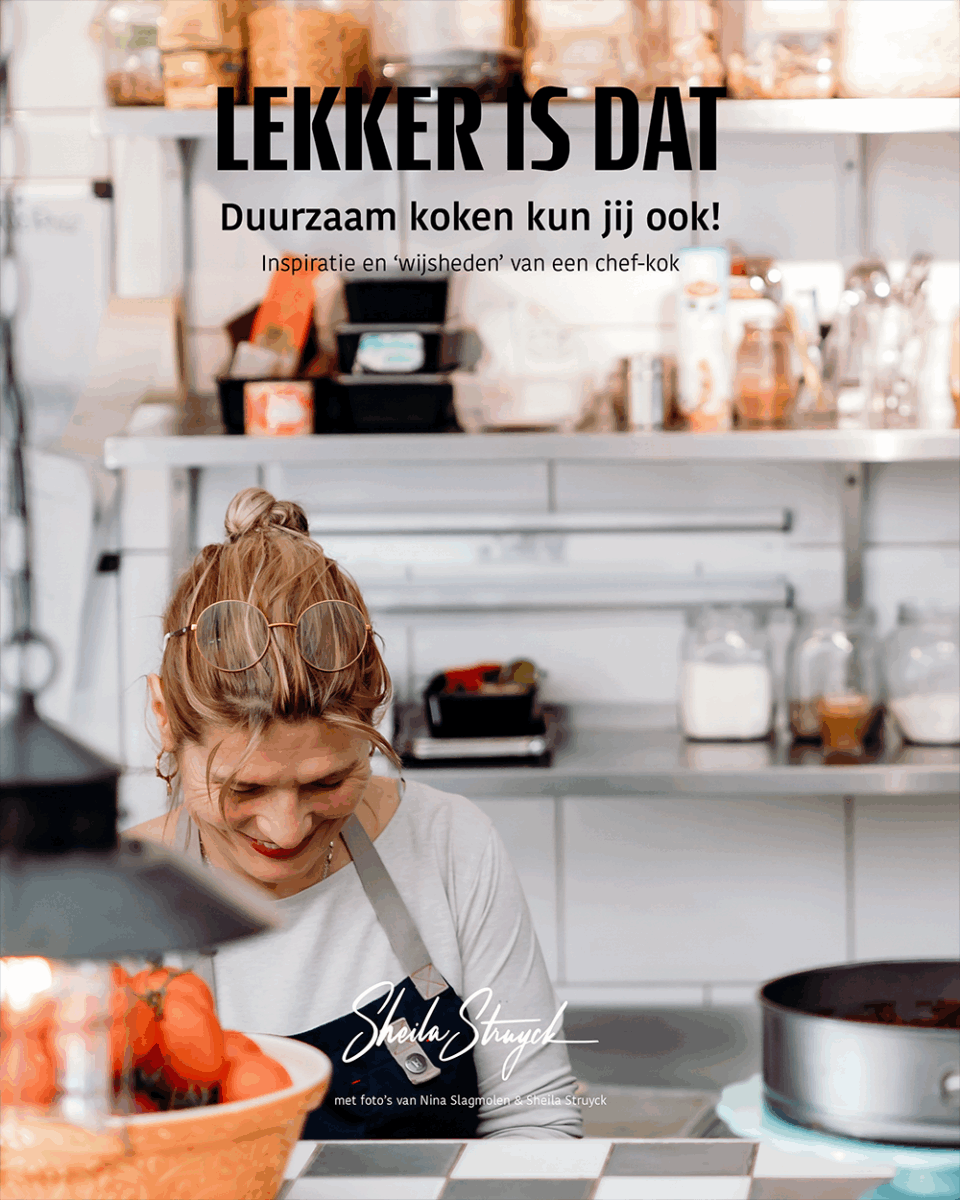
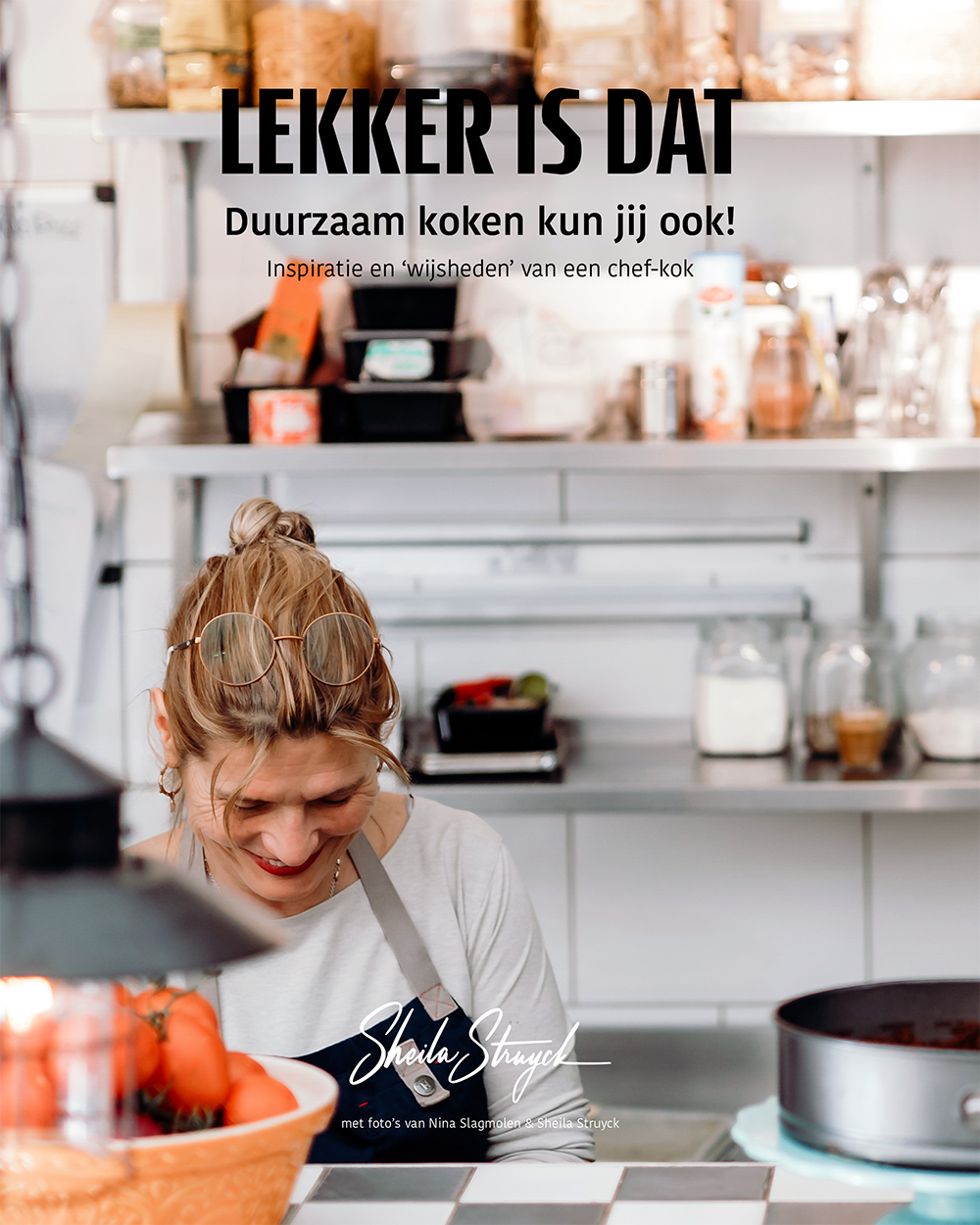
Sustainability was key to Sheila, and she found a way to implement that into a fabulous cookbook.
“It is more of a “do,” “learn,” and “enjoy” book than a traditional cookbook. Half the book contains recipes you can easily implement into your daily cooking, and the other half is more of a story about understanding techniques and how to create taste. It keeps things simple so people can be confident in cooking sustainably at home.
“If you throw your meat in a pot of boiling water, it won’t taste good, so why do we do that to our precious vegetables?”
“That’s Tasty – You too Can Cook Sustainable.”
Her first step was to learn proper techniques, so she enrolled at the prestigious Le Cordon Bleu Paris to learn from the French Master Chefs how to be curious and find taste. What? – French cooking and plant-based, you say? I thought it was all butter and meat. If you treat the vegetables like meat, you can create delicious plant-based dishes.
From Cooking to Food Photography
At LCB, Sheila was introduced to Food Photography by Nelly le Comte. She combined her learned food photography skills with food writing by Justin Bergman. She saw a possibility to combine her skills as an impact investor and a fine-dining Chef to influence what people eat, how we treat the planet, and how to create more gender equality, which is needed as much in business as in the kitchen.
“Understanding the basics allows you to have an eye for detail.”
As a result more guidance was needed, so Sheila approached Nelly to be mentored further in Food Photography. During the Mentor Program, photography techniques, the business of photography, and how to get your images published were discussed.
“I need the confidence to create good Food Photography for my Cookbook.”
Cook book project – photo by Nina Slagmolen
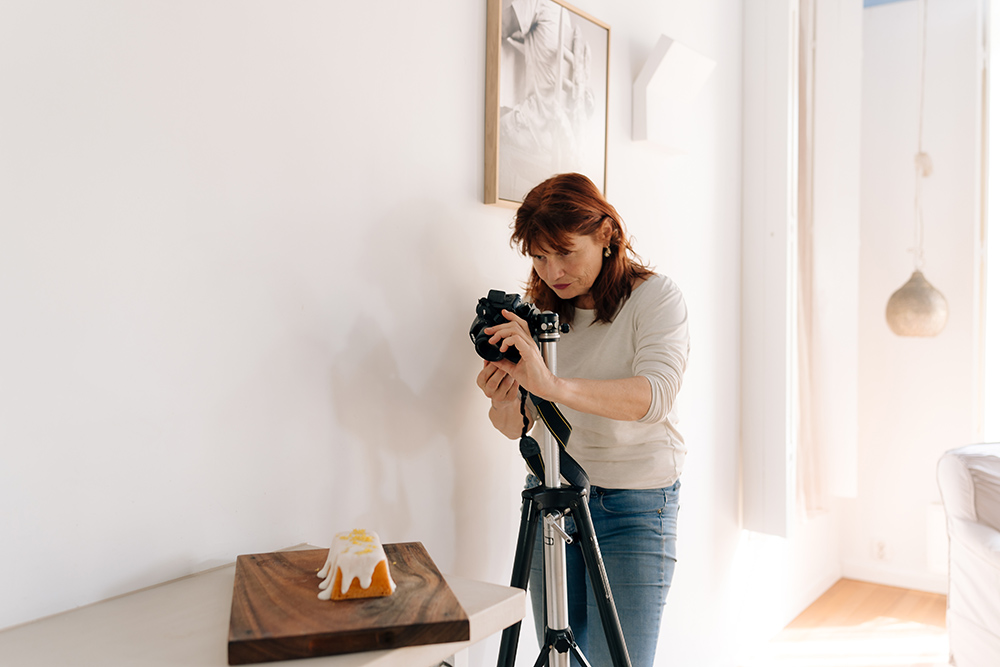
Her photography improved, and as we know how hard it is to be the chef, stylist, and photographer on set, we found ways to simplify the process so Sheila could focus on photography during the shooting days. “Learning to plan the photoshoots was eye-opening and allowed me to create the visuals I wanted.”
Sheila’s easygoing writing style had to match the photography, and the book took form to become a Read, Do, and Cookbook.
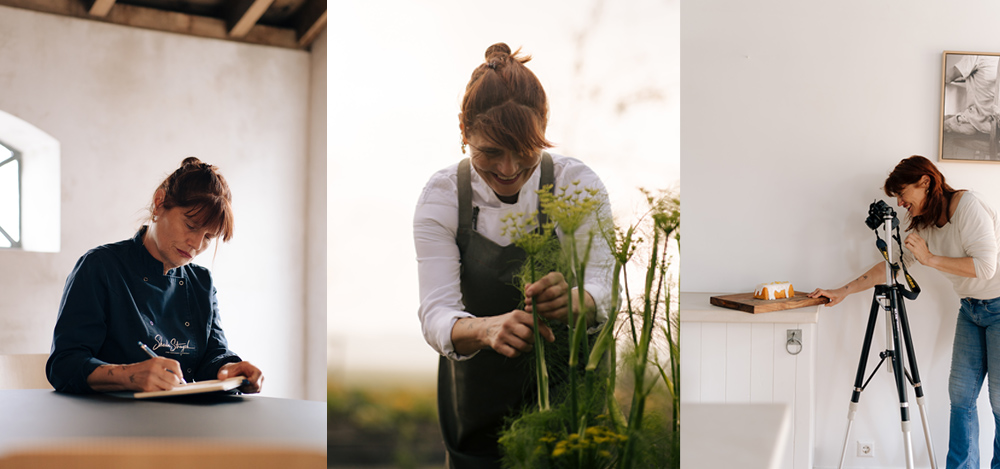
Natural light was chosen, and summertime was an ideal time to create tasty, easy recipes with a hint of fine dining. Many ideas were bounced around during this process, and the workload was getting hectic. Sheila enlisted graphic designer Annemarie Kleve and Nina Slagmolen as her photographer to take photos of her in action in the Kitchen, at Photography and the Veggie Patch, and the book started to take shape.
“Write the back page first.”
“Why people would buy your cookbook and enjoy your recipes and food images is a question you have to ask yourself first and foremost, says Sheila.” A great tip came from a friendly publicist who said to write the backflip first. An exercise that will make you think as to: *why this cookbook *why now *why me
It can be costly to self-publish a cookbook, and there are options for self-funding, crowdfunding, or, as Sheila chose, pre-funding. Having your social media platforms under control is essential; a steady line of followers will help. Sheila found LinkedIn was a great platform to pre-fund her cookbook.
“People who know you and love what you stand for are the ones who like you to succeed.”
“60 and a 10 page spread in Elegance – A leading Dutch Glossy.”
You got great media attention, and featuring in a fashion glossy mag at sixty is sensational. Yes, I worked hard on good-looking images that resonated with my plant-forward and sustainable cuisine philosophy. I created a book with tasty recipes and a look and feel that will make it easy for people to apply to their daily lives. The photography skills I learned at the Food Photography Mentoring Program helped me create visuals for social media, from where I could create a buzz around the philosophy of my upcoming book. With live session to discuss and improve my photography I felt my confidence grow to photograph my recipes.
What can you advise Future students?
“Proof That Dreams (and Delicious Cookbooks) Start with the Right Mentor”
Naturally, understand the light, composition and equipment and prepare beautiful dishes. Most importantly, know what you want to achieve and ask for help from the right people. A good mentor will stimulate you and push you to achieve your dream.
A single spark that led to an interest in sustainable cooking, learning from the best French cooking school, LCB, to assisting in restaurant kitchens. Picking up that camera to photograph those delicious dishes and take your dream to publish a cookbook is quite an achievement. But Sheila does more; she is on a mission to improve the planet by spruiking about plant-forward food, green chefs, green Michelin stars, writing columns and potentially another cookbook in the pipeline.
“a mentor keeps you on track to achieve your goals.”
Nelly le Comte Food Photography Mentor
If you’re ready to turn your passion into something bigger, my Food Photography Mentor Program might be the perfect first step.
“Absolutely; how do you feel about baked watermelon?”
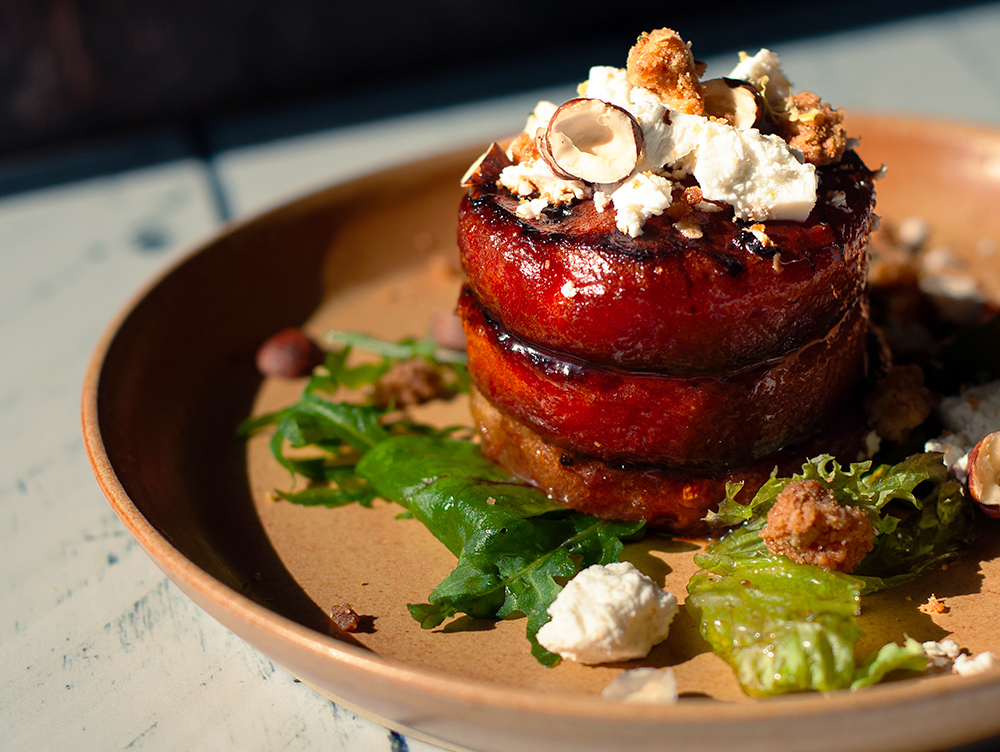
Baked watermelon – photo by Sheila Struyck
Savoury Crumble
45g cold butter
45g flour
45g walnuts
55g Parmesan
1 bay leave
1/2 tbs fennel seeds
salt to taste
Watermelon
medium-sized watermelon peeled and in slices 2,5cm
2 tbsp nut oil or olive oil
2tbs tamari
rocket, handful
olive oil
hazelnuts, chopped, handful
4 tbs goat or feta cheese
salt and pepper to taste
Equipment
ring mould
baking paper
food processor or blender
Watermelon stack with Savoury Crumble
Also, fun on the BBQ
Serves: 4
Treat your veggies like your meats. Fry, sauté, or simply throw them in flames. This was the best advice I ever got. Since hard baking melon, I have found various ways of creating dishes. The consistency is like raw tuna, and the taste is close to a good piece of meat.
Method
Preheat the oven to 180C
Cut the crumble ingredients in the food processor with the cutting blade. Do this fast to keep the butter cold. Spread onto a baking plate lined with baking paper in the oven for 15 minutes. Cool and break in pieces.
Use the ring mould to cut the melon slices into round shapes. Heat a frying pan on medium heat. (test temperature by holding your hand about 1cm from the bottom of the pan)
Add oil to the pan and bake the melon rounds on both sides to caramelise (like you do with meat). About 4-5 minutes per side. Turn the heat off and deglaze with the tamari. Return the pan to medium heat for a minute.
(if using the BBQ, use the larger melon slices and cut the rounds after cooking).
Add a tablespoon of olive oil to the rocket, then onto the plate, and create a stack with the round shaped melon slices. Top with hazelnuts, feta, and crumble.
You can also roast the melon on a teriyaki plate or electric BBQ. If you slice the melon super thin, you can create a carpaccio.
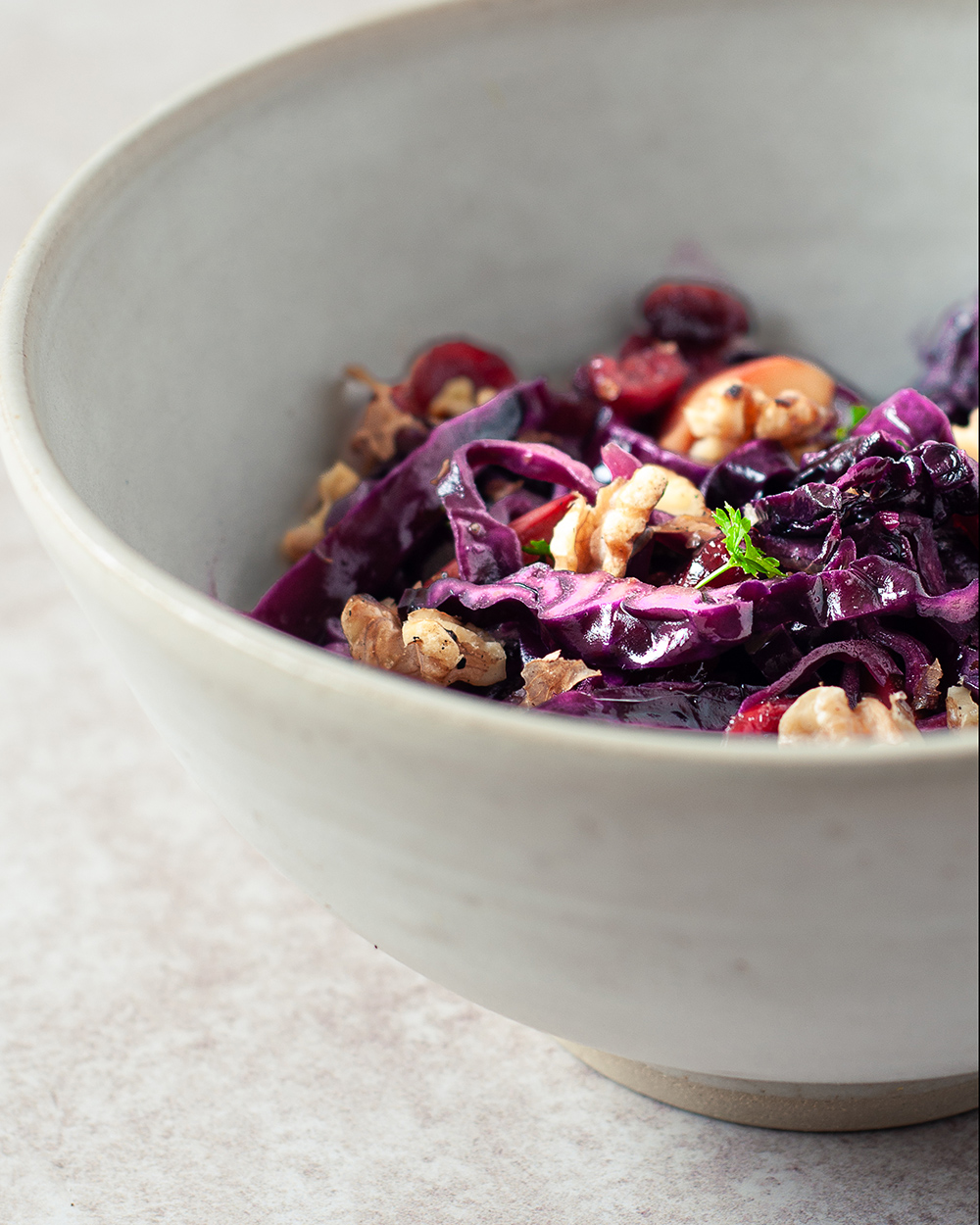
Red cabbage and walnut salad – photo by Sheila Struyck